Starting Well After 55: A Fresh Start for Longevity
Jan 23, 2026
January often brings a natural desire to reset. For adults over 55, a fresh start is less about drastic change and more about building habits that support long-term health, independence and confidence in movement.
Whether you have taken time away from exercise, are managing an injury, or have never followed a structured fitness routine, the right approach can help you rebuild strength, mobility and cardiovascular fitness safely. When done correctly, exercise after 55 is not only safe, it is one of the most powerful tools we have for healthy ageing.
This article outlines how to begin well, reduce injury risk and lay the foundations for longevity-focused fitness.
Understanding Age-Related Muscle Loss and How to Reverse It
From our 40s onwards, we naturally begin to lose muscle mass and strength in a process known as sarcopenia. Without intervention, this can accelerate with age, affecting balance, energy levels, joint health and everyday independence.
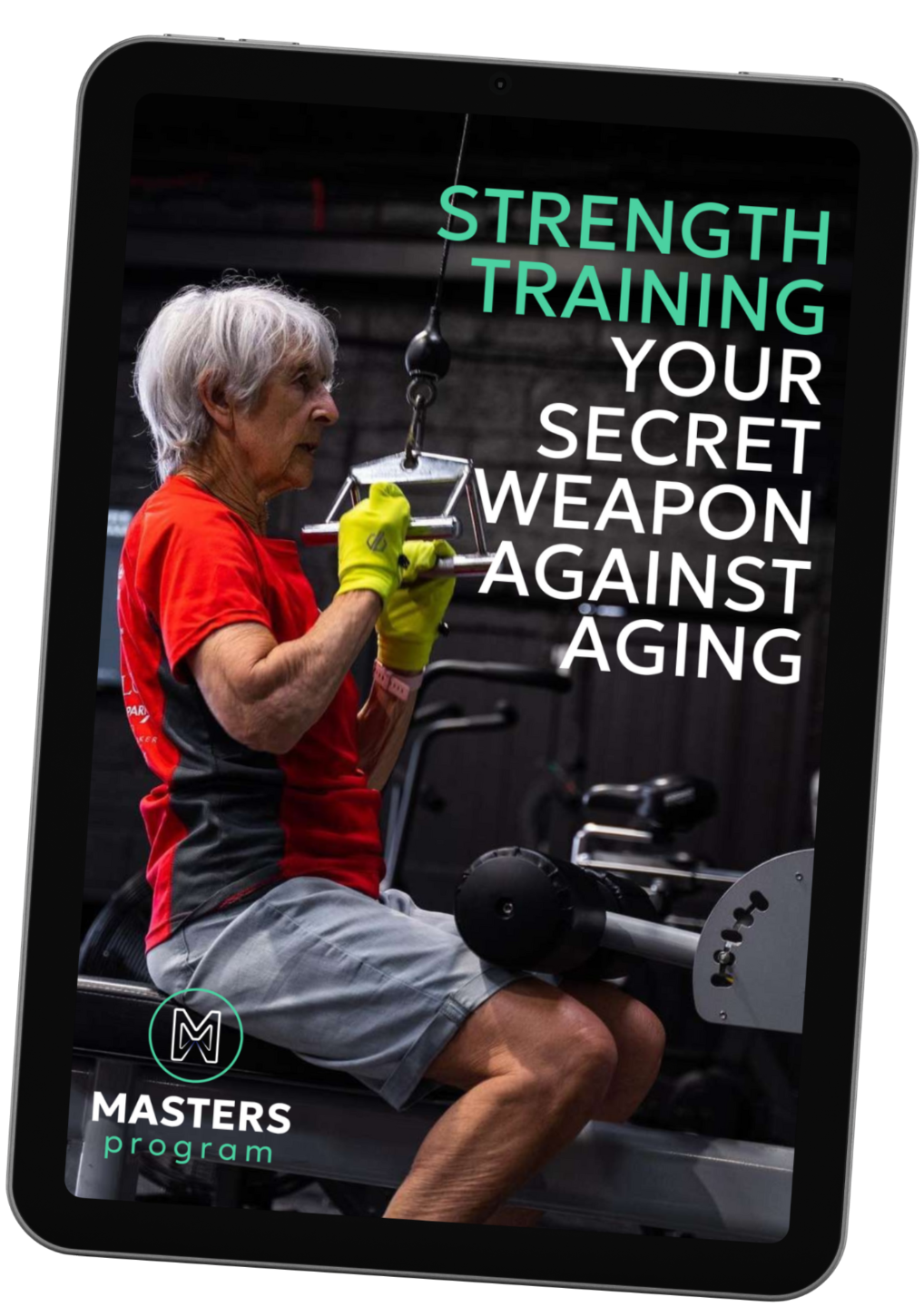
The good news is that age-related muscle loss is both preventable and reversible. Research consistently shows that adults in their 50s, 60s and beyond can regain significant strength through appropriately prescribed resistance training.
Key points to understand:
-
Muscle responds to training at any age.
-
Strength training supports bone density, joint stability and metabolic health.
-
Improved muscle mass reduces fall risk and supports confident movement.
The focus is not on heavy lifting from day one, but on gradual, well-coached progression that respects your current ability.
Why Movement Is Central to Independence as We Age
Movement is not simply about fitness. It underpins daily tasks such as walking, climbing stairs, lifting shopping, getting up from the floor and maintaining balance.
Regular, structured movement supports:
-
Joint health and mobility
-
Cardiovascular fitness and stamina
-
Balance and coordination
-
Mental clarity and confidence
When movement declines, independence often follows. A consistent exercise routine helps protect against this, allowing you to stay active, capable and engaged in daily life for longer.
How to Begin a Routine Without Injury
One of the most common concerns we hear from adults over 55 is the fear of injury. This is understandable, particularly if you have experienced pain or setbacks in the past.
Safe training starts with the right principles:
1. Start Below Your Maximum
Your body adapts best when the starting point feels manageable. Early sessions should leave you feeling worked, but not exhausted or sore for days afterwards.
2. Prioritise Technique and Control
Quality of movement matters more than intensity. Controlled, well-aligned exercises protect joints and build confidence.
3. Address Mobility and Stability First
Improving range of motion and joint stability creates a safer base for strength and cardiovascular work.
4. Progress Gradually
Progression should be planned and incremental. Small increases in load, repetitions or time are enough to stimulate improvement without overload.
Guidance from a physiotherapy-led programme can be particularly valuable, ensuring that exercises are appropriate for your medical history, injuries and goals.
A Gentle Four-Week Progression Plan
For those returning to exercise or starting for the first time, the first four weeks should focus on consistency rather than intensity.
Weeks 1 and 2: Establishing the Habit
-
2 to 3 sessions per week
-
Focus on basic strength movements using bodyweight or light resistance
-
Gentle cardiovascular work such as walking, cycling or rowing
-
Emphasis on mobility, breathing and posture
Weeks 3 and 4: Building Capacity
-
Gradual introduction of slightly increased resistance
-
Longer or slightly more challenging cardiovascular intervals
-
Continued focus on technique and recovery
This early phase builds confidence, reduces injury risk and prepares the body for more structured progression in the months ahead.
Longevity Is Built Through Consistency
A fresh start after 55 is not about doing more. It is about doing the right things, consistently, with appropriate support.
Strength training, mobility work and cardiovascular exercise, when combined thoughtfully, form the foundation of healthy ageing. Over time, these habits support independence, resilience and quality of life.
If you are unsure where to begin, or want reassurance that you are training safely, a structured, physiotherapy-led approach can provide clarity and confidence.
Starting well now sets the tone not just for January, but for the years ahead.