Winter Wellbeing: Why Movement Matters After 55 and How to Get Started
Dec 30, 2025
As the winter months draw in, many of us naturally slow down. Shorter days, cooler weather and stiff joints can all make the idea of exercise feel less appealing. Yet, especially for those of us over 55, this is exactly when movement matters more than ever.
Why staying active in winter makes a difference
-
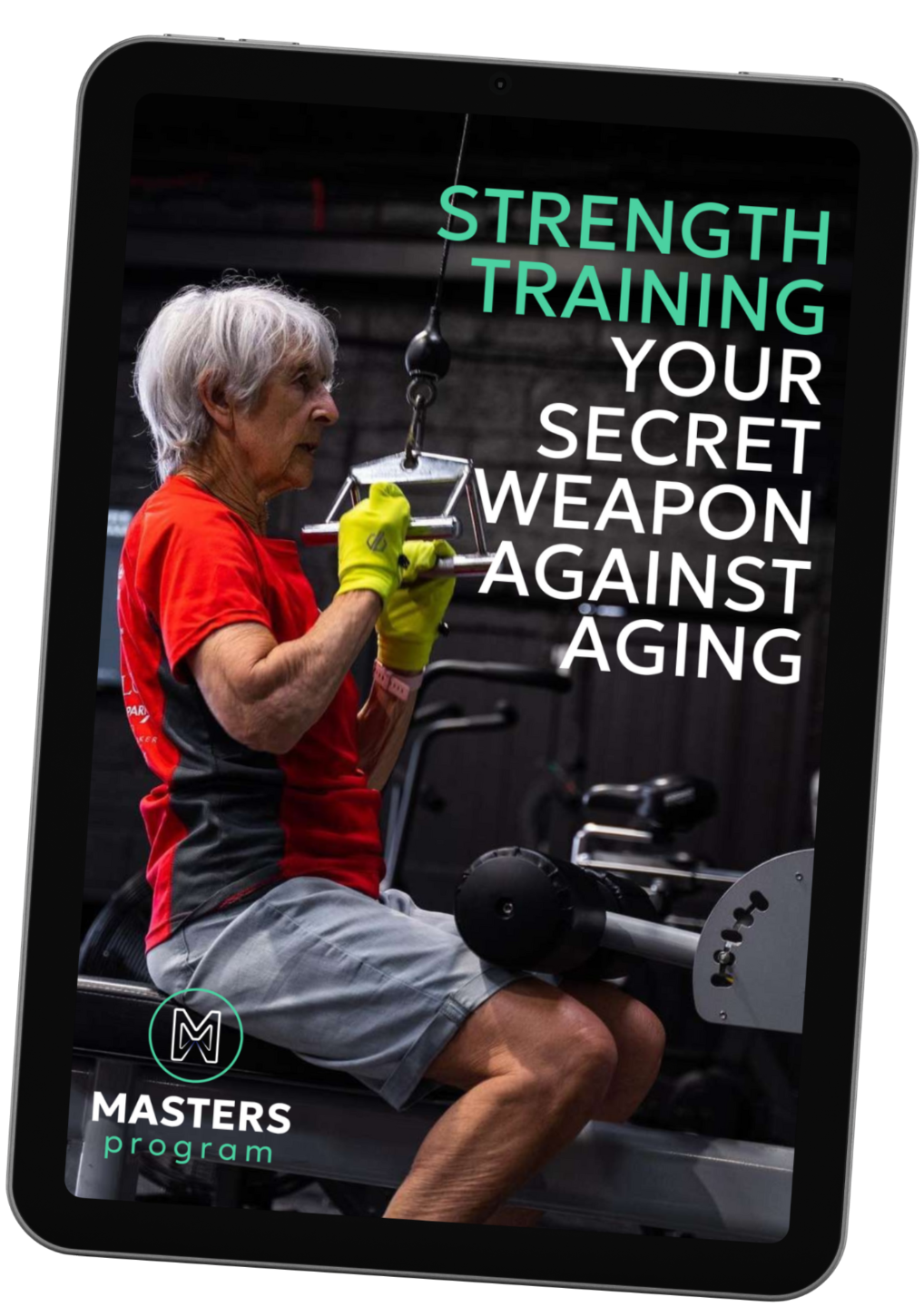
Maintaining strength. As we age, muscle mass gradually declines, a process known as “sarcopenia.” Regular strength training helps slow and even reverse that decline, preserving muscle strength, supporting your bones density and keeping you active. That's why our members are getting FITTER and not FRAILER as they age!
-
Bone health. Similarly, our bone mineral density declines as we age - this can result in osteopenia and osteoporosis if left unchecked. It is so important that we regularly use and load our bones and don't have prolonged periods of inactivity which can accelerate this lose of bone density. Whilst it's easy to batten down the hatches and wait for the Winter to pass - you'd bones won't thank you!
-
Improving joint health and mobility. Strengthening the muscles around joints supports joint stability and can reduce discomfort, stiffness or pain making everyday movements smoother and more comfortable. One of the unfortunately unsung benefits to regular strength training and movement is the effect on reducing pain and improving how good we feel!
-
Reducing risk of falls, supporting balance and independence. Strong muscles and good balance help preserve coordination and steadiness. This is crucial as balance tends to deteriorate with age if untrained / unchallenged. Incorporating balance and strength exercises helps lower the risk of falls, a common concern for older adults.
-
Supporting cardiovascular, metabolic and mental health. Regular activity (whether gentle or moderate) helps maintain heart health, supports healthy weight, improves energy levels, and contributes to better mood, sleep and cognitive functioning. The more you move - the better your mood!
In short: staying active doesn’t just make you “fit” — it helps you maintain independence, mobility and quality of life as you age.
Gentle, Effective Exercises to Get You Started Now
If you don’t have access to gym equipment or facilities - here are some basic movements that are far better than doing nothing! The key to seeing improvmeent is consistency, appropriate exercise selection and focusing on what supports your body at this stage of life. Here are some simple, safe, and effective exercises suitable for many people over 55:
Strength & Lower-Body Work
-
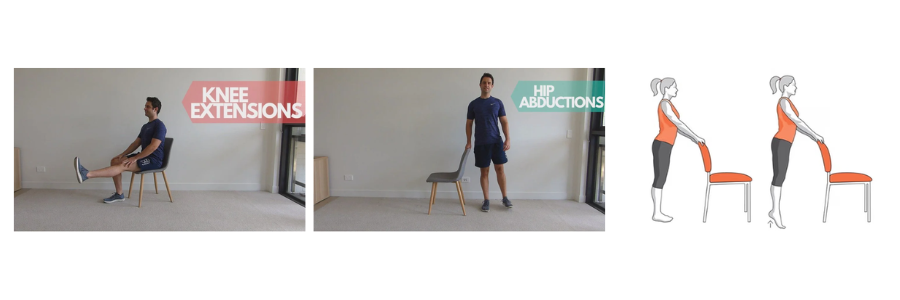
Seated knee extensions: while seated, extend one leg straight out and slowly lower; repeat for each leg. This strengthens the quadriceps, important for walking, standing, and stair climbing. As you improve, you increase the weight. Eventually - you might need access to a machine at your local gym!
-
Standing hip abductions: holding on to a chair or counter for balance, lift one leg sideways to strengthen hip and outer thigh muscles. This helps stabilise hips and improves walking and balance. As you improve - you add a band to increase the resistance.
-
Calf raises: with support if needed, rise up onto your toes and slowly lower back down. Strengthening lower-leg muscles helps with walking stability and reduces tripping risk. Build up to 30 reps on two legs. And then progress to single leg reps, aiming for at least 10 each side.
Balance & Mobility Work
-
Balance exercises: simple movements such as standing on one leg (with support if needed), heel-to-toe walking or controlled shifts of weight can enhance stability and confidence when moving.
-
Mind-body and low-impact exercises: things like Pilates or yoga can support flexibility, core strength, posture and balance without over stressing joints.
Everyday Activity & Light Aerobic Movement
-
Walking: perhaps the most accessible activity. Regular walking, even at a gentle pace, supports cardiovascular health, promotes circulation, and helps maintain leg strength and endurance. As you improve, you go further or faster - and you get FITTER!
-
Staying generally active: tasks like light gardening, light housework, or simply breaking up long periods of sitting with short movement breaks all count. According to public-health guidance, replacing sedentary time with light activity yields meaningful health benefits.
Beginners: How to Get Started and Make It Work for You
-
Start gently and consistently. Even a few minutes a day of light movement is better than none. Establish simple habits. Perhaps 10–15 minutes of strength work a few mornings a week, or a short walk after meals - small, consistent bouts of exercises, will add up!
-
Choose exercises that feel safe and manageable. Avoid overly strenuous or high-impact moves at the start such as excessively heavy weights, high impact jumping or intense aerobic work. Start small, and progress slowly.
-
Combine different types of activity. Ideally a weekly routine should include some strength work, some balance work and some cardiovascular work. This balanced approach supports comprehensive health - strength, mobility, bone density and cardiovascular fitness.
-
Progress at your own pace. As your strength and confidence improves, you can gradually increase repetitions, duration or complexity but avoid rushing or overdoing it. Consistency beats Intensity.
-
Prioritise safety and posture. Use chair or counter support if needed; focus on controlled, steady movements rather than speed or heavy resistance. If in doubt, seek guidance - especially if you have joint pain, chronic conditions or mobility limitations. This is where your local chartered physiotherapist can help you create the right plan and help you progress over the coming weeks and months.
How a Programme Like The Masters Programme Can Help
That is precisely the purpose of our programme. We understand the unique challenges facing people over 55: perhaps years without gym experience, joint sensitivity, prior injuries or general uncertainty about where to begin. We've helped guides 100's and 100's of people in this age group over the past 5 years and we are becoming experts at finding the right program, for the right person, and progressing them, at the right pace!
Our approach is simple, progressive, and physiotherapist-led, and designed to help you:
-
Rebuild strength and mobility safely and sustainably
-
Improve balance, posture and movement confidence
-
Protect joints and bones while supporting joint lubrication and mobility
-
Retain independence in daily tasks and preserve quality of life
For those who may have experienced injury or feel uncertain about exercise, our physiotherapy assessment helps us tailor a plan that respects your limit, supports your health, and encourages progress at a pace that feels right for you.
Final Thoughts
Winter, though colder and darker, can be an opportunity.
An opportunity to look after your health, to preserve strength, mobility and independence, and to build habits that will support many more winters to come.
If you’ve been hesitant, uncertain or simply waiting for the “right time,” this winter could be the right time. Gentle, regular movement, combined with care, consistency and appropriate guidance — may well be one of the most valuable gifts you give yourself.
With the New Year only around the corner - what are you waiting for? Get started!
Reference List
Ageing Better. 2023. The major health benefits of strength and balance activities. Centre for Ageing Better. Available at: https://ageing-better.org.uk/news/major-health-benefits-strength-and-balance (Accessed: 27 November 2025).
Go365 Wellness. 2024. Strength training exercises for older adults and seniors. Go365 Medicare Wellness. Available at: https://wellness.go365.com/medicare/articles/strength-training-exercises-for-older-adults-and-senior (Accessed: 27 November 2025).
Healthshots. 2023. Strength training for seniors: Why it is important. Healthshots. Available at: https://www.healthshots.com/fitness/muscle-gain/strength-training-for-seniors (Accessed: 27 November 2025).
HSE. 2024. Exercise at home: Overview. Health Service Executive (Ireland). Available at: https://www2.hse.ie/living-wwell/exercise/exercise-at-home/overview (Accessed: 27 November 2025).
Ministry of Health, Spain. 2022. Promoción de la actividad física y la alimentación saludable para un envejecimiento saludable. Government of Spain. Available at: https://www.sanidad.gob.es/areas/promocionPrevencion/envejecimientoSaludable/internacional/docs/PromocionActividadFisica_AlimentacionSaludable_EnvejecimientoSaludable.pdf (Accessed: 27 November 2025).
PubMed. 2003. Resistance training for health in adults aged 60 years and older. PubMed. Available at: https://pubmed.ncbi.nlm.nih.gov/14552938 (Accessed: 27 November 2025).
Stanford Center on Longevity. 2024. Recommended exercises for adults over 50. Stanford University. Available at: https://longevity.stanford.edu/lifestyle/2024/07/02/recommended-exercises-for-adults-50 (Accessed: 27 November 2025).
WebMD. 2024. Exercises to avoid after age 50. WebMD. Available at: https://www.webmd.com/healthy-aging/exercises-to-avoid-after-50 (Accessed: 27 November 2025).
Fit After 55. 2024. Strength training exercises for over-55s. Fit After 55. Available at: https://fit-after-55.com/strength-training-exercises (Accessed: 27 November 2025).